
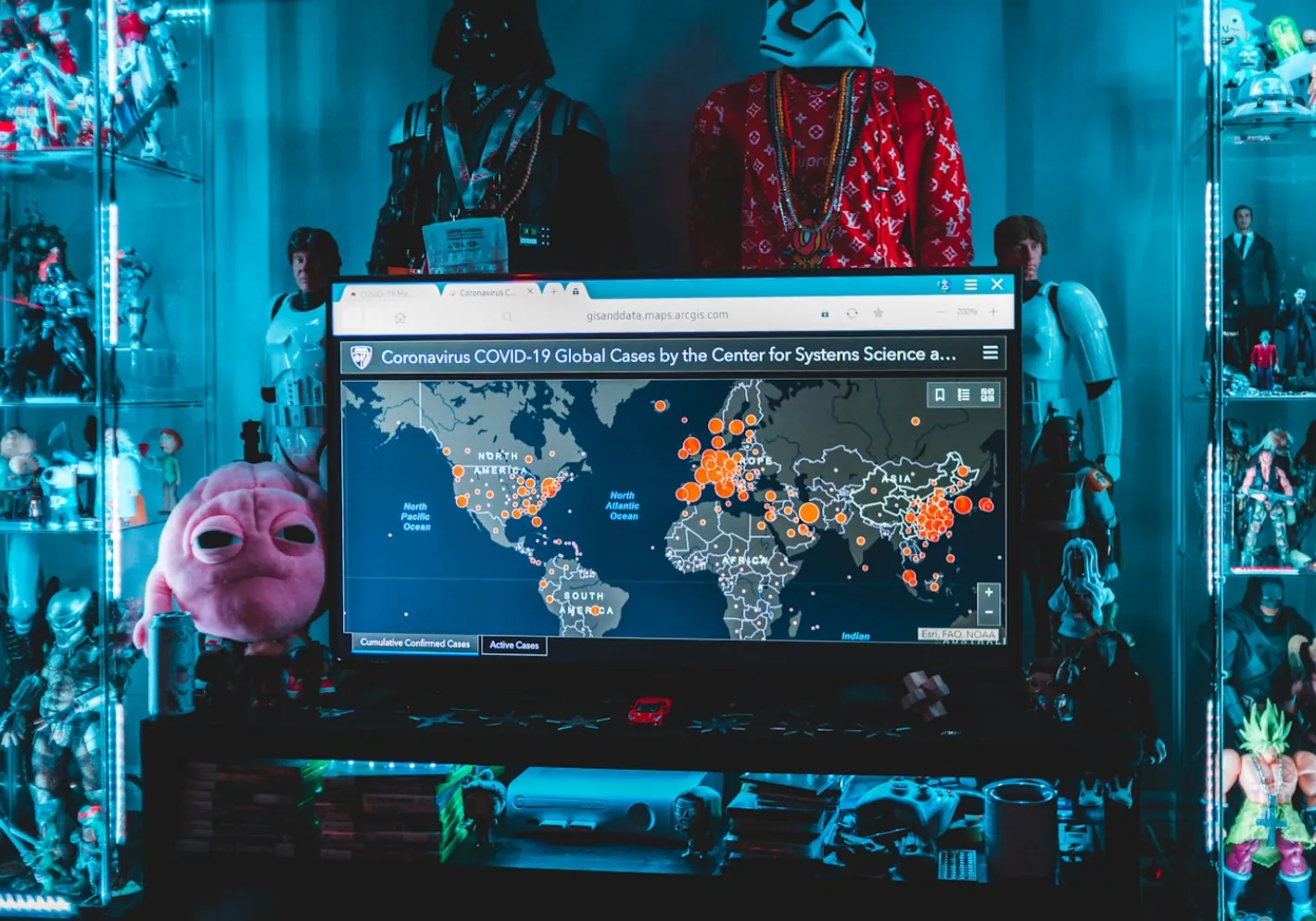
Coronavirus has been declared a pandemic and this has opened a new window of opportunities to cybercriminals. Teleworking is one of the strategies that has been encouraged for organizations that would like to run various operations in to maintain their businesses. Cybersecurity issues have arisen as a result of using VPNs by organizations.
CISA has warned individuals and organizations about the possible attacks that are likely to happen as a result of the vulnerabilities caused by the Coronavirus pandemic. This article discusses various ways hackers are using Coronavirus concerns to trick people.
Hackers and cybercriminals have been leveraging the hype and fear connected with the growing COVID-19 pandemic as a tool to steal passwords and data (Witkowski, 2020). Hackers are using different tricks to convince their victims to engage in activities that will result in having them compromise their security. The most common one is sending phishing links through social media, especially WhatsApp! for information regarding Coronavirus.
The hackers then install malware into the systems once the targets are convinced that the concerns raised are genuine. This is done through sending e-mails that seem to be from the right and concerned authorities. People should be aware of such tricks and avoid them. The attackers send emails that have links which require a person to download a solution and this is where the malware is downloaded into the system.
An email that seems to have been sent from the CDC was trying to lure people to click on links that would give information about how to handle the virus. This is one of the most effective tricks that can be used by the attackers because the vulnerable individuals are in fear and they need solutions to the problems that have been brought about by the Coronavirus.
People get tricked easily when they are in fear. Considering the fact that most companies will encourage people to work from home, they are likely to be easy targets for attackers who can send them malware that can be used to access systems. People should be aware of such tricks because there are look-alike domain names that can be used and they are likely to be convinced that these are the authorities that are used to deliver concerns about the virus.
Check Point researchers on Thursday said that they found hackers based in China have been using rich text format, or RTF, Coronavirus warnings against public-sector workers in Mongolia (Witkowski, 2020). If the targeted victim happens to open the RTF file, it attacks the system and takes screen shots as well as listing files and directories, and download files. The department of homeland security has put measures in place to ensure such cases of attacks are reported to minimize chances of victims giving out critical information that can be used to attack different systems and cripple operations.
To conclude, the Coronavirus pandemic has exposed most system users due to the vulnerabilities that have been brought about by fear. The attackers are mainly using emails to trick people to download some of malicious software that can be used to penetrate their cybersecurity systems. The virus has brought about different effects in the society where there are issues regarding the nature of the way organizations handle work and other functions. Employees are now working remotely and this exposes the networks to cyberattacks that come as a result of these tricks employed by the attackers.
Thanks For Reading!